We've all been there. You receive an impeccably beautiful hamper—a delightful explosion of artisanal goods, perfectly arranged, promising pure joy upon unwrapping. But as the initial shine wears off, a quiet question lingers: at what cost? In our culture of gifting, luxury often comes wrapped in plastic film and built on supply chains that stretch across continents, leaving behind mountains of waste. The beautifully presented gift can sometimes feel like an ethical quandary disguised as pure delight.
Fortunately, giving doesn't have to mean contributing to the problem. Moving toward conscious consumption is not a sacrifice; it’s an upgrade. If you want to know how to make a hamper sustainable and ethical, this guide is your blueprint. We will explore everything from sourcing local spices to choosing compostable ribbons, helping you curate gifts that are as beautiful on the inside as they are on the outside.
Sourcing Consciously: The Products Within the Basket
The core of any spectacular gift basket is its contents. Before you even think about ribbon or presentation, your focus must be on the items themselves. Sustainability starts at the source, demanding that every product tells a positive story—one of care for people and planet.
When considering what to include, shift your mindset from "What looks expensive?" to "What has the smallest footprint?" This might mean prioritizing goods that are hyper-local or those that come with clear certifications. For example, instead of purchasing mass-produced chocolates shipped from overseas, seek out a small, independent chocolatier in your own city who uses ethically sourced cocoa beans.
A great way to audit potential gifts is to ask: Does this product require excessive packaging itself? If the artisan soap comes wrapped in three layers of plastic film, that’s an immediate red flag. Instead, look for vendors who use minimal or natural wrapping materials. By focusing on quality over quantity, you cut through the noise and ensure that every item is a genuine piece of craftmanship, not just filler.
Packaging Philosophy: Beyond the Ribbon and Bow
The presentation of a hamper is often its most visible—and ironically, most wasteful—component. The glossy cardboard box, the cellophane wrapping, the decorative wood shavings... these elements are where many gift-givers stumble into unintentional environmental harm. Thinking about how to make a hamper sustainable and ethical means treating the packaging as part of the product experience, not an afterthought.
The goal here is circularity—making sure that what you receive can eventually be used again or returned to the earth. Say goodbye to single-use plastic filler! Instead, opt for natural alternatives:
- Reusable baskets woven from natural reeds or willow. Filling materials like shredded, compostable paper (look for seed paper options). Twine made of jute or hemp instead of synthetic ribbon.
I remember crafting a hamper for a friend who was obsessed with zero waste. We initially used beautiful cellophane, but after realizing its single-use nature, we switched to large linen cloths that served as both the wrap and could be reused by her later. It wasn't only sustainable; it added an unexpected element of rustic charm. What better way to gift luxury than something that will live beyond Christmas?
The Ethical Deep Dive: Supporting People, Not Just Product
Sustainability is a massive umbrella, but ethics deal specifically with the human story behind the goods. A product can be biodegradable and still come from an unethical source, making this dimension absolutely critical when determining how to make a hamper sustainable and ethical. This requires looking beyond the "green" label and asking tough questions about labor practices.
When you choose fair-trade items—whether they are coffee beans, spices, or handcrafted textiles—you are doing more than just shopping; you are participating in an economic justice network. Fair trade ensures that farmers and artisans receive a living wage, giving them the power to build stable lives for their families. This directly empowers communities globally, making your purchase a force multiplier for good.
Perhaps the best way to guide this process is to prioritize goods from small-batch producers who are willing to share their story. When you can trace an item back to the hands that made it, you gain confidence in its integrity. It transforms the act of gifting into an act of patronage.

Curating Longevity: Gifts That Keep Giving
The ultimate measure of a truly ethical gift is how long it remains relevant after the initial excitement fades. A hamper filled with perishable items or single-use indulgences feels like a fleeting moment of pleasure, which is fine—but let's aim higher. When we Check out here think about how to make a hamper sustainable and ethical, we should embed elements that encourage continued use and connection.
This involves curating 'experience gifts' alongside physical goods. Instead of just providing gourmet tea, include a guide on local tea pairings or recommend an online virtual tasting class. The gift becomes a ritual rather than just an object.
Consider pairing the basket with educational materials—a recipe book that utilizes all the spices included, for instance. This approach turns the hamper into a catalyst for future activity. It shifts the focus from "Look what I bought you" to "Here is something we can do together." Do these thoughtful inclusions make the entire process feel more meaningful?
Cultivating Conscience: Building a Better Gifting Tradition
Making sustainable and ethical choices in gift-giving is not about perfection; it's about intention. It’s about treating every purchase—from the ribbon to the rosemary sprig—as an opportunity to vote for the kind of world you want to live in. By shifting your focus from mere aesthetics to genuine provenance, you elevate the entire tradition.
Start small this year. Commit to replacing just one item in your next hamper with a hyper-local or zero-waste alternative. Over time, these small decisions aggregate into massive collective impact. Embrace the idea that the greatest luxury is not rarity, but integrity—the absolute assurance that everything within the basket was chosen with care for the people who made it and the planet that sustains it.
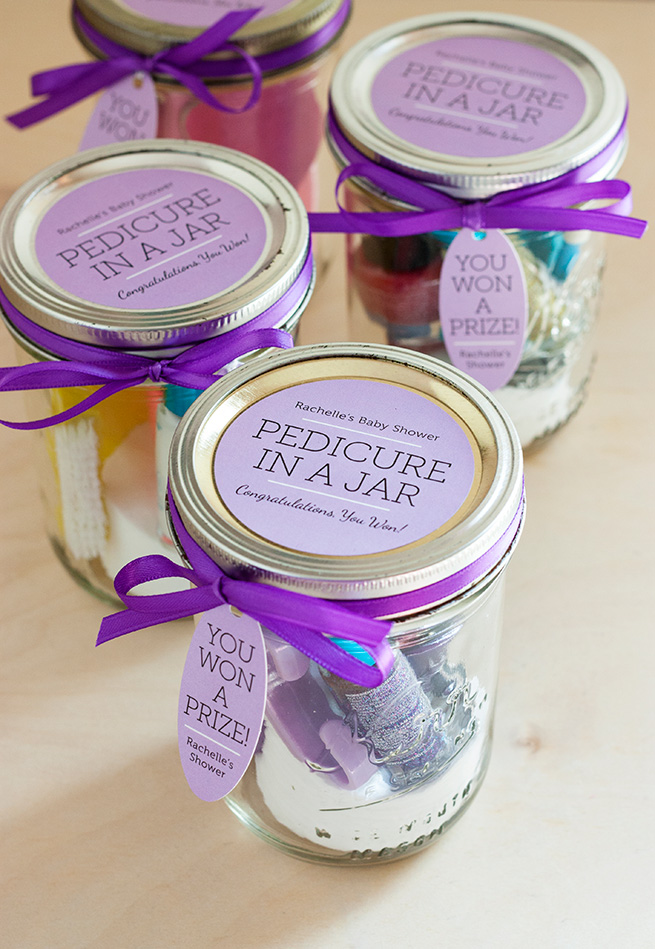
By adopting this mindful approach, your next hamper won't just be beautiful; it will be a testament to thoughtful stewardship.